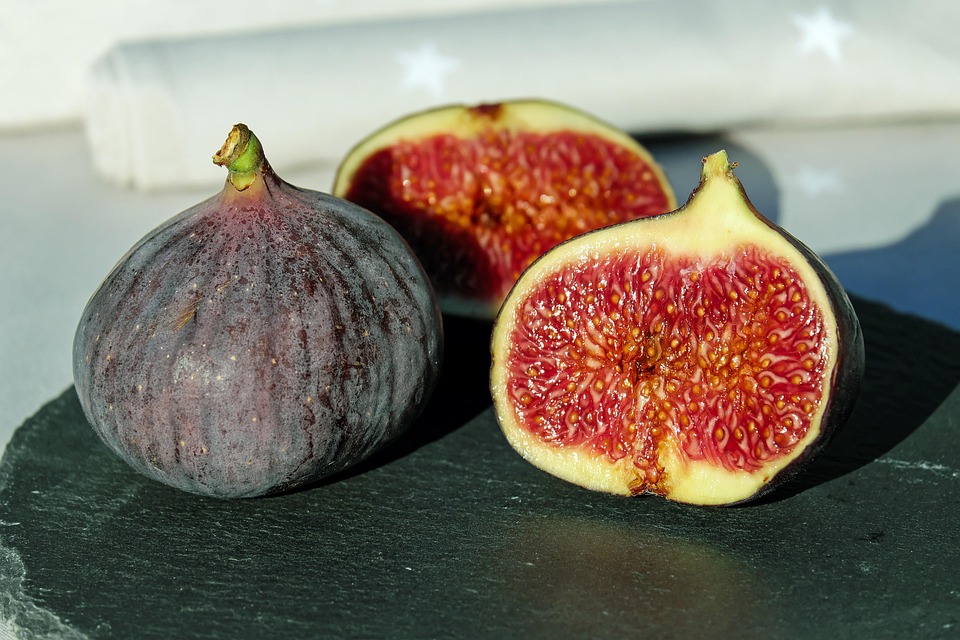
Omero lo ricorda nell’Odissea“Quando la nave di Ulisse rischia di essere inghiottita dal gorgo del mostro Cariddi, l’eroe si salva aggrappandosi a un grande fico selvatico (chiamato anche fico eccelso) che cresce sulla roccia a picco sull’acqua”. Il frutto del fico alterna storia e leggenda, originario della Siria, conosciuto e coltivato da tutti i popoli antichi, dalle Canarie fino all’lndia, successivamente, ad opera degli spagnoli, si diffuse anche nel continente americano. Gli egizi ne documentano la coltivazione con disegni rinvenuti nelle piramidi di al-Gizah, anche nei giardini di Babilonia insieme ai salici piangenti. Scavi recenti su insediamenti etruschi hanno documentato l’esistenza di coltivazioni fin dal VI-VII secolo a.C. Plinio e Columella, elencano e descrivono numerose varietà, molte delle quali giunte fino a noi sotto diversa denominazione. Nel Rinascimento, in Italia, se ne conoscevano più di 500 varietà diverse e molte di queste si possono ammirare nelle belle nature morte dell’epoca. Agosto e settembre sono i mesi che regalano i frutti più dolci e succosi, che possono essere impiegati in cucina con le più disparate preparazioni sia dolci che salate. Il carpaccio di fichi è una ricetta facile, veloce e fresca, ideale per un antipasto estivo da gustare nelle calde serate di agosto!
⭐ facile
⏰20 minuti
Ingredienti per 4 persone
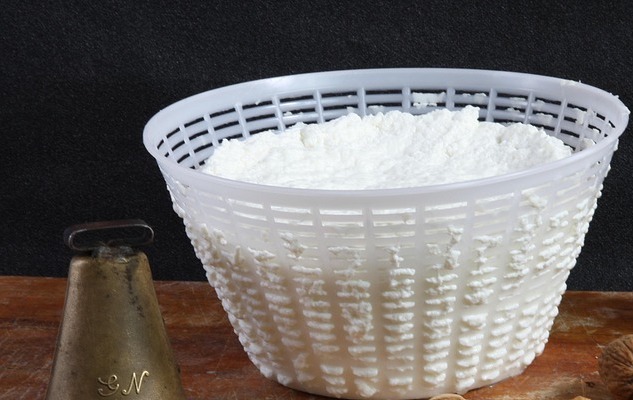
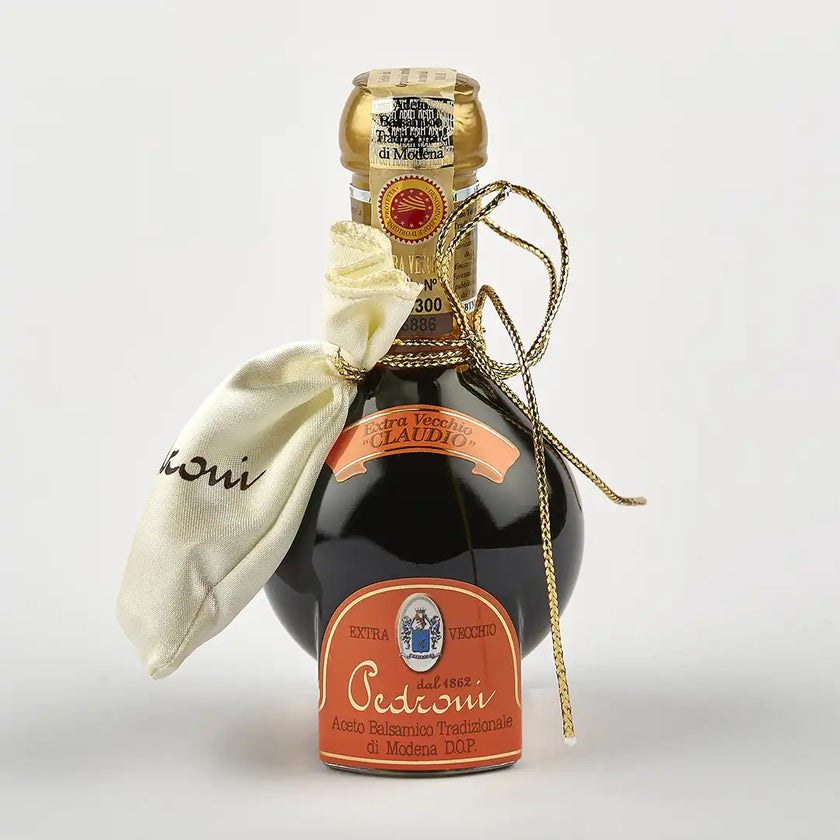
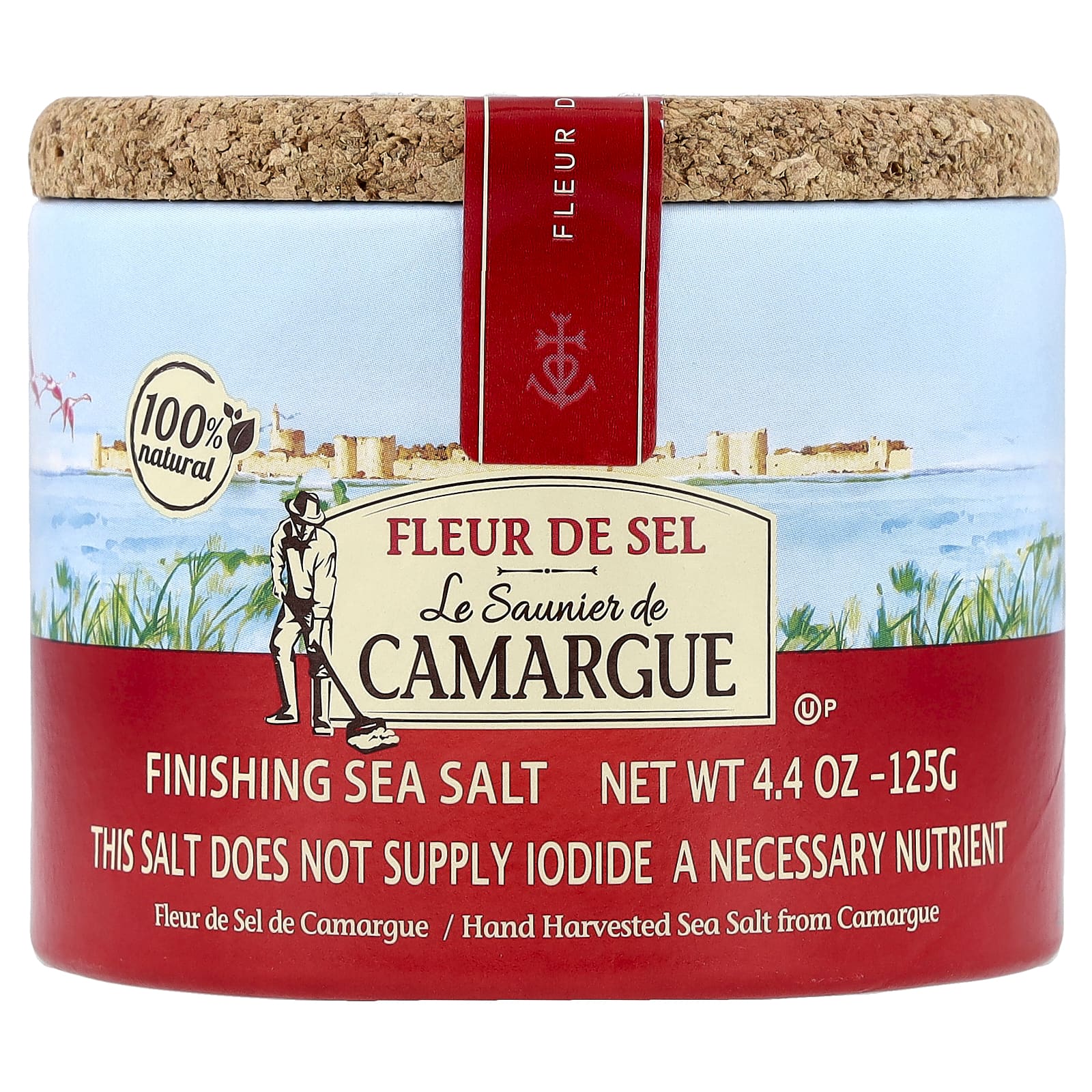
400g di fichi maturi, 1 cucchiaio di aceto balsamico, ½ cucchiaio di olio EVO, 100g di ricotta, 50g di pistacchi, 3 rametti di origano fresco, ¼ di cucchiaino di fleur de sel, pepe q.b.
Tagliare i fichi a fettine sottili, sistemarle ben ravvicinate su un vassoio. Stendervi sopra un foglio di pellicola alimentare, schiacciare leggermente e rimuovere la pellicola. In una ciotolina emulsionare l’olio e l’aceto e condirvi i fichi. Mescolare la ricotta e il sale per eliminare i grumi, poi con 2 cucchiaini formare delle piccole quenelle e distribuirle sul carpaccio. Guarnire con i pistacchi e l’origano, una spolverata di pepe, condire e servire con pane tostato.
Vino in abbinamento
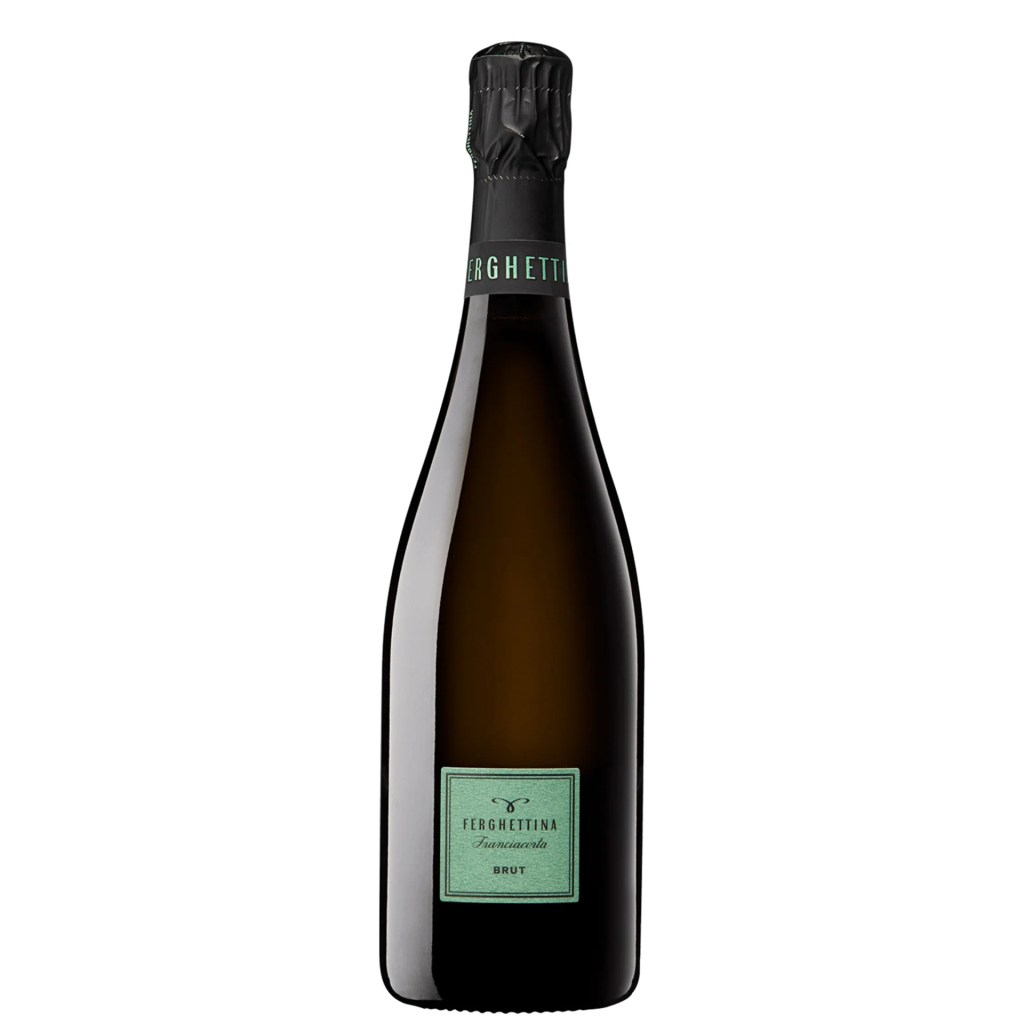
Franciacorta Docg
Il Franciacorta Docg alla vista è un paglierino con perlage fine e persistente. Al naso regala note agrumate, frutta a polpa bianca e crosta di pane. Al sorso è fresco, deciso, lungo, con ritorni di nocciola e fiori bianchi, ottima persistenza.
Homer mentions it in the Odyssey: “When Odysseus’s ship is in danger of being swallowed up by the whirlpool of the monster Charybdis, the hero saves himself by clinging to a large wild fig tree (also known as the ‘exalted fig’) growing on a rock overlooking the water”. The fig is steeped in both history and legend; native to Syria, it was known and cultivated by all ancient peoples, from the Canary Islands to India, and was later introduced to the American continent by the Spanish. The Egyptians documented its cultivation through drawings found in the pyramids of al-Gizah, and it was also grown in the gardens of Babylon alongside weeping willows. Recent excavations at Etruscan settlements have documented the existence of fig cultivation as far back as the 6th–7th centuries BC. Pliny and Columella list and describe numerous varieties, many of which have come down to us under different names. During the Renaissance in Italy, more than 500 different varieties were known, and many of these can be admired in the beautiful still lifes of the period. August and September are the months that yield the sweetest and juiciest fruits, which can be used in the kitchen in a wide variety of both sweet and savoury dishes. Fig carpaccio is an easy, quick and refreshing recipe, ideal as a summer starter to enjoy on warm August evenings!
⭐easy
⏰20 minutes
Ingredients for 4 people
400g ripe figs, 1 tablespoon balsamic vinegar, ½ tablespoon extra virgin olive oil, 100g ricotta, 50g pistachios, 3 sprigs of fresh oregano, ¼ teaspoon fleur de sel, pepper to taste
Slice the figs into thin slices and arrange them close together on a tray. Place a sheet of cling film over them, press down gently, then remove the cling film. In a small bowl, whisk together the oil and vinegar, then dress the figs with the mixture. Mix the ricotta and salt to remove any lumps, then use two teaspoons to shape small quenelles and arrange them over the carpaccio. Garnish with pistachios and oregano, a sprinkling of pepper, season to taste and serve with toasted bread.
Wine pairing
Franciacorta DOCG
Visually, Franciacorta DOCG is straw-coloured with a fine, persistent perlage. On the nose, it offers notes of citrus, white-fleshed fruit and bread crust. On the palate, it is fresh, bold and long-lasting, with hints of hazelnut and white flowers, and excellent length.