
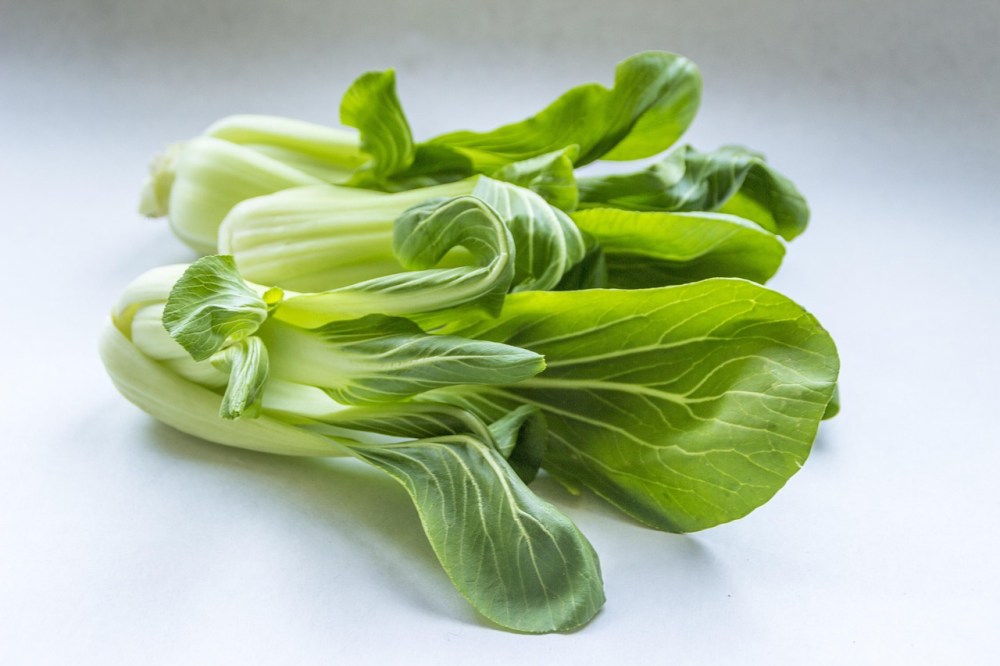
Le crostate e le torte salate hanno origini antichissime. Radicate nella cucina agricola hanno una storia che si snoda dai tempi pre-cristiani fino all’affermazione nel Medioevo come piatti rustici e ricchi. Ma fu soprattutto a partire dal XIII secolo che ebbe una grande diffusione. Il pane cominciò a riempirsi di ogni tipo d’ingredienti, carne, pesce, ortaggi, erbe, uova, formaggi, secondo la stagione e l’offerta del mercato, le tradizioni e gli usi locali. Nascevano così le cosiddette “torte rustiche” o “salate” dette anche pastelli, pasticci, coppi. La crostata salata nasce come modo per racchiudere verdure, formaggi e carni in un involucro di pasta, a differenza della versione dolce che nasce come dessert, la cui prima ricetta ufficiale risale al XIV secolo con il cuoco francese Guillaume Tirel. Le prime forme di torte salate risalgono ai tempi dei Greci e dell’Antica Roma, dove si preparavano impasti a base di farina farciti con verdure e formaggi, spesso per ringraziare la terra e offrire i prodotti dell’orto appena raccolti. Più avanti nel Medioevo le torte salate diventano una presenza costante con l’abitudine di preparare il pane con carne, pesce, verdure, uova e formaggi, a seconda della stagione e delle disponibilità. Oggi queste preparazioni sono perfette per qualsiasi occasione. Leggere, sfiziose e gustosissime, si possono preparare in mille modi diversi. Dai sapori irresistibili sono ideali a pranzo, ottime a cena, immancabili nei buffet delle feste di compleanno. Ogni occasione è buona per prepararne una squisita. Con la fine di gennaio si conclude il dodicesimo anno di Veganuary e la Crostata Salata con Pak Choi e Crema di Tofu rappresenta un’ottima conclusione con un arrivederci al prossimo gennaio!
⭐ facile
⏰60 minuti
INGREDIENTI
Per la pasta brisée: 200 gr farina di farro, 50 gr farina di mais fioretto, 110/120 ml acqua, 50 gr olio evo, 1 cucchiaino di sale
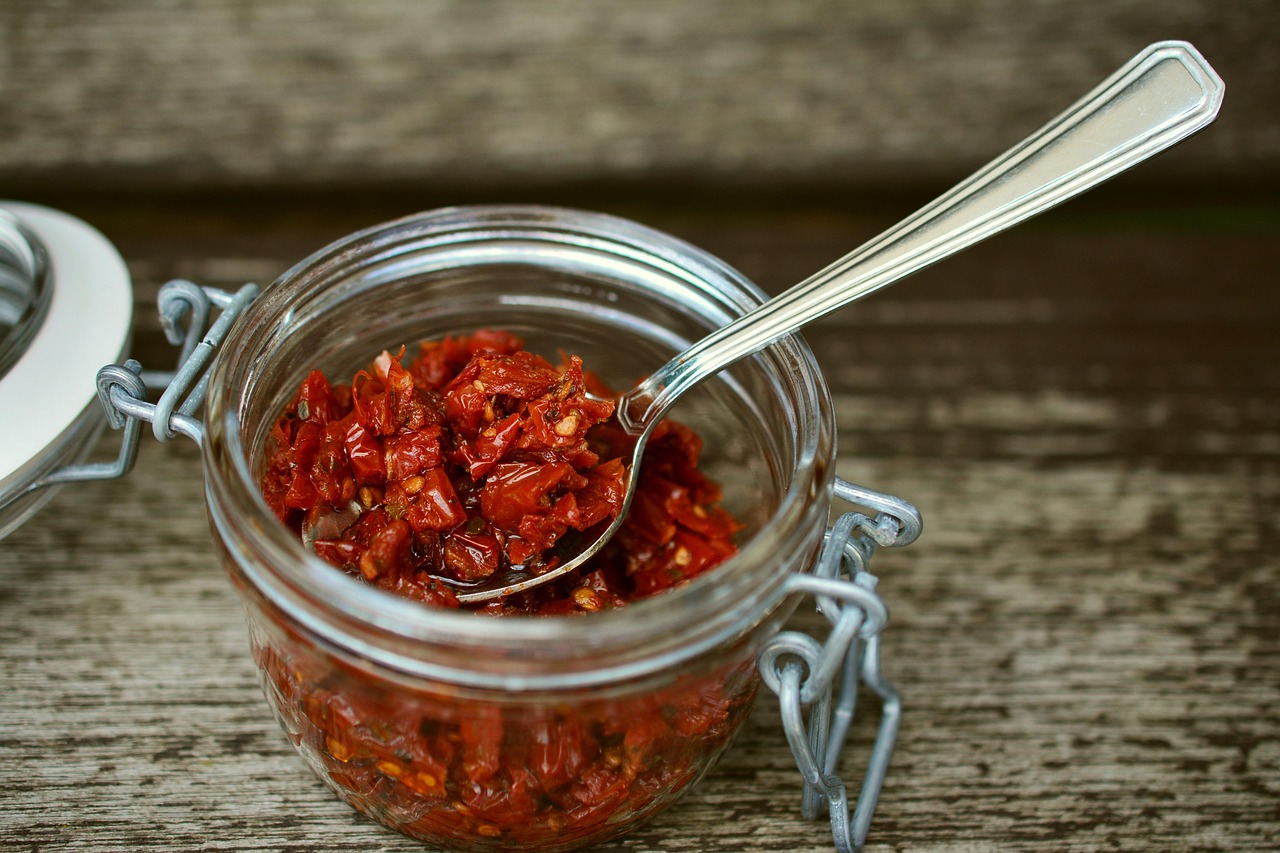
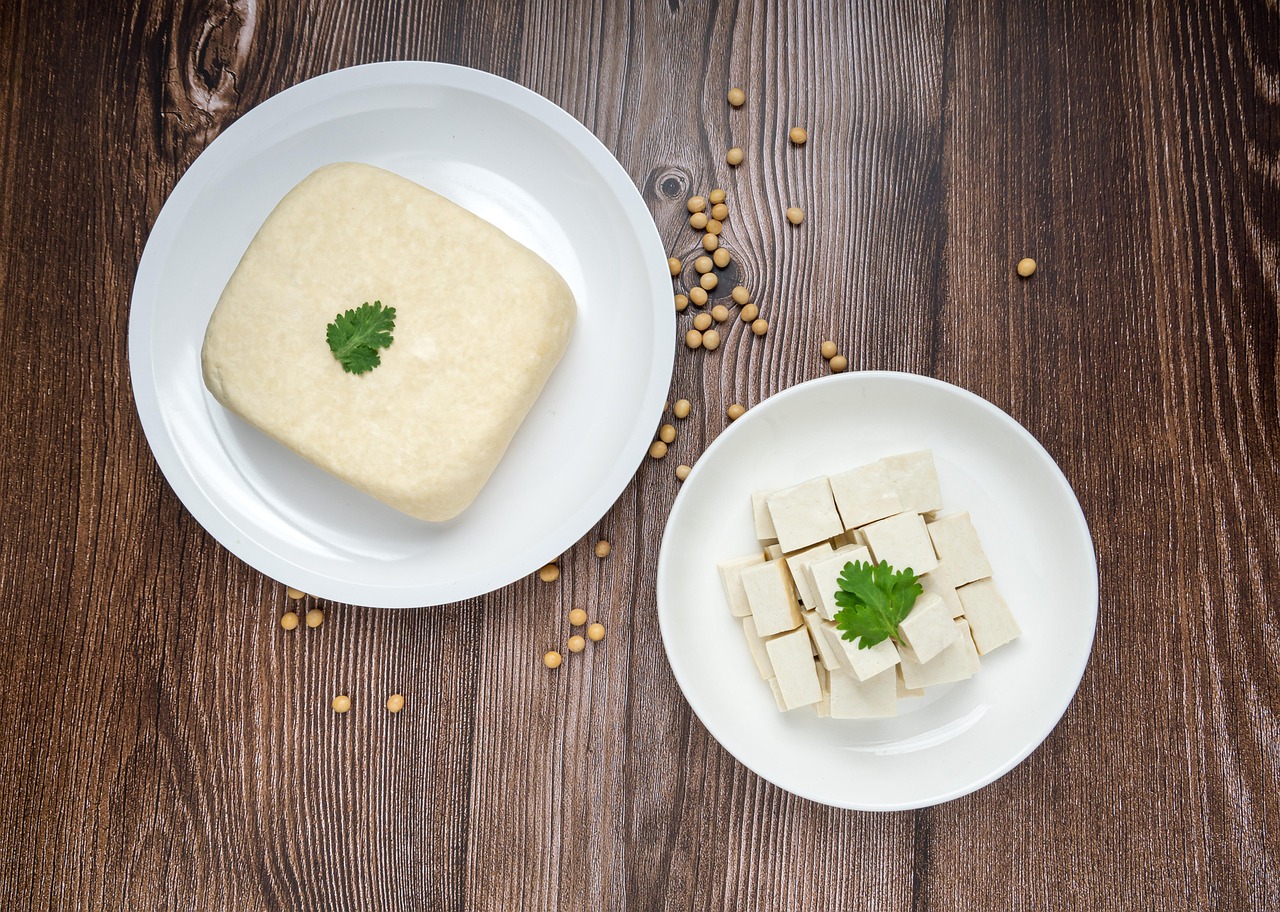
Per il ripieno e per la crema di tofu: 200 gr di tofu, una manciata di pomodori secchi, un cespo di Pak Choi, una manciata di olive denocciolate, una manciata di capperi, olio EVO, sale, origano, peperoncino q.b.
Mettere in ammollo i pomodori secchi in acqua. Preparare l’impasto unendo le 2 farine, il sale e l’olio. Mescolare gli ingredienti, aggiungere l’acqua e impastate fino ad ottenere un impasto elastico, fare una palla e mettere a riposare. Per il ripieno separare la parte più dura dalle foglie più morbide del pak choi, sbollentare qualche minuto in acqua salata bollente, scolare e mettere in un recipiente. Nell’acqua di cottura fare sbollentare anche il tofu per 5/6 minuti e unirlo alla parte più dura del del pak choi, aggiungete i pomodori secchi ammollati, sale, olio e un pizzico di peperoncino, frullare fino ad ottenere una crema densa e liscia, tenere da parte. Nel frattempo, in una pentola mettere il restante pak choi tagliato sottilmente, le olive, i capperi e un pizzico di sale, una spolverata di origano e un filo d’olio e far cuocere a fuoco medio mescolando spesso per una decina di minuti. Stendere quindi l’impasto con un mattarello, metterlo in uno stampo da crostata oliato o rivestito di carta da forno. Con l’impasto avanzato creare delle strisce per decorare. Versare la crema di tofu nella base della torta, livellare bene e aggiungere il pak choi distribuendo in modo uniforme, mettere le strisce di impasto e infornare a 180° per circa 30 minuti. Sfornare, lasciare riposare una decina di minuti e servire.
Vino in abbinamento
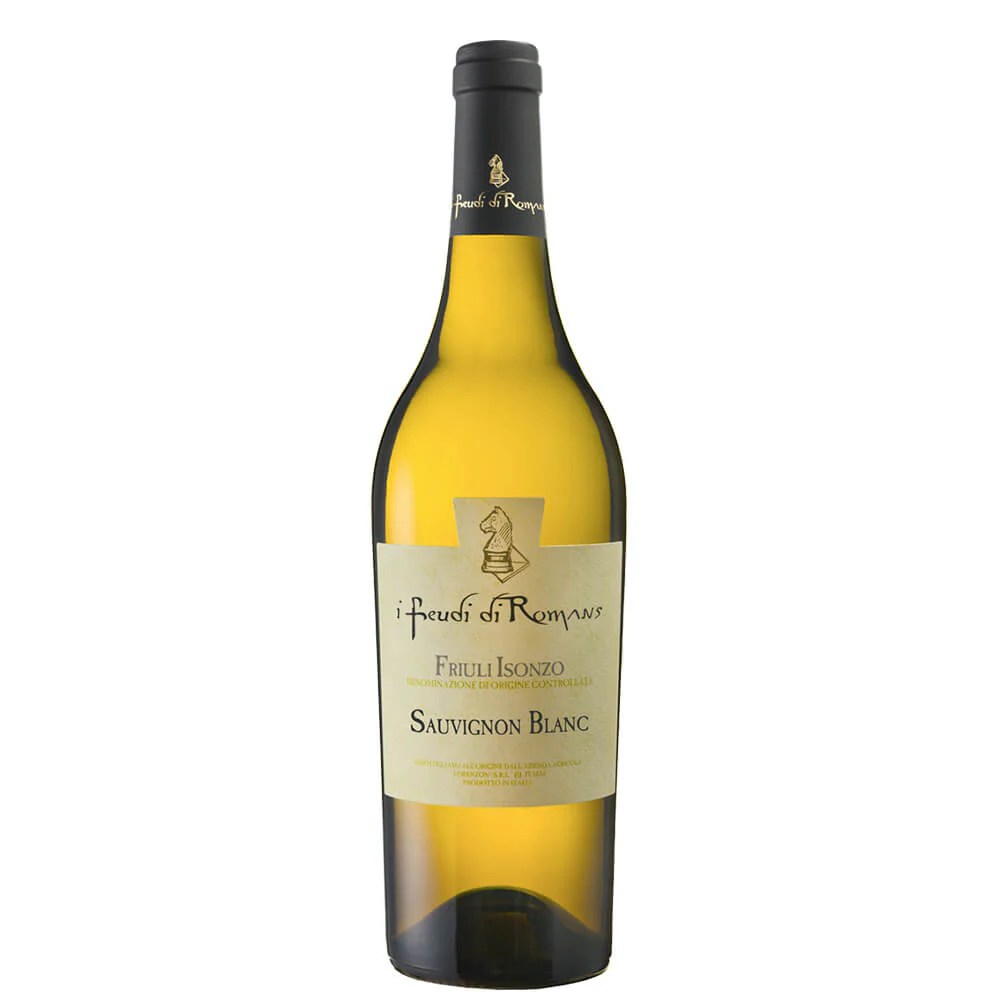
Sauvignon Blanc
Alla vista ha un bel colore giallo dorato, al naso è attraversato da sentori di peperone, ananas, foglia di pomodoro, menta piperita, salvia e albicocca, mela verde, uva spina, agrumi. In bocca è di medio corpo, un’ottima acidità, equilibrato.
Tarts and savoury pies have ancient origins. Rooted in peasant cuisine, their history stretches from pre-Christian times to their establishment in the Middle Ages as rustic and rich dishes. However, it was mainly from the 13th century onwards that they became widespread. Bread began to be filled with all kinds of ingredients, meat, fish, vegetables, herbs, eggs and cheese, depending on the season and what was available at the market, as well as local traditions and customs. This gave rise to the so-called “rustic” or “savoury” pies, also known as pastelli, pasticci and coppi. Savoury tarts were created as a way of enclosing vegetables, cheese and meat in a pastry case, unlike the sweet version, which was created as a dessert, with the first official recipe dating back to the 14th century and the French chef Guillaume Tirel. The first forms of savoury pies date back to the times of the Greeks and Ancient Rome, where dough made from flour was prepared and filled with vegetables and cheese, often to give thanks to the earth and offer the freshly harvested produce from the garden. Later in the Middle Ages, savoury pies became a staple, with bread being filled with meat, fish, vegetables, eggs and cheese, depending on the season and availability. Nowadays, these preparations are perfect for any occasion. Light, delicious and full of flavour, they can be prepared in a thousand different ways. With their irresistible flavours, they are ideal for lunch, excellent for dinner and a must-have at birthday party buffets. Any occasion is a good excuse to prepare a delicious one. The end of January marks the end of the twelfth year of Veganuary, and the Savoury Tart with Pak Choi and Tofu Cream is an excellent way to say goodbye until next January!
⭐ easy
⏰60 minutes
INGREDIENTS
For the shortcrust pastry: 200 g spelt flour, 50 g fine cornmeal, 110/120 ml water, 50 g extra virgin olive oil, 1 teaspoon salt
For the filling and tofu cream: 200 g tofu, a handful of sun-dried tomatoes, a head of pak choi, a handful of pitted olives, a handful of capers, extra virgin olive oil, salt, oregano, chilli pepper to taste
Soak the sun-dried tomatoes in water. Prepare the dough by combining the two types of flour, salt and oil. Mix the ingredients, add water and knead until you have an elastic dough, shape into a ball and set aside to rest. For the filling, separate the harder part from the softer leaves of the pak choi, blanch for a few minutes in boiling salted water, drain and place in a bowl. Blanch the tofu in the cooking water for 5-6 minutes and add it to the tougher part of the pak choi. Add the soaked sun-dried tomatoes, salt, oil and a pinch of chilli pepper, blend until you have a thick, smooth cream and set aside. Meanwhile, place the remaining thinly sliced pak choi, olives, capers, a pinch of salt, a sprinkling of oregano and a drizzle of oil in a saucepan and cook over medium heat, stirring frequently, for about ten minutes. Roll out the dough with a rolling pin, place it in an oiled or baking paper-lined tart tin. Use the leftover dough to create strips for decoration. Pour the tofu cream into the base of the tart, level it well and add the pak choi, distributing it evenly. Place the strips of dough on top and bake at 180°C for about 30 minutes. Remove from the oven, leave to rest for about ten minutes and serve.
Wine pairing
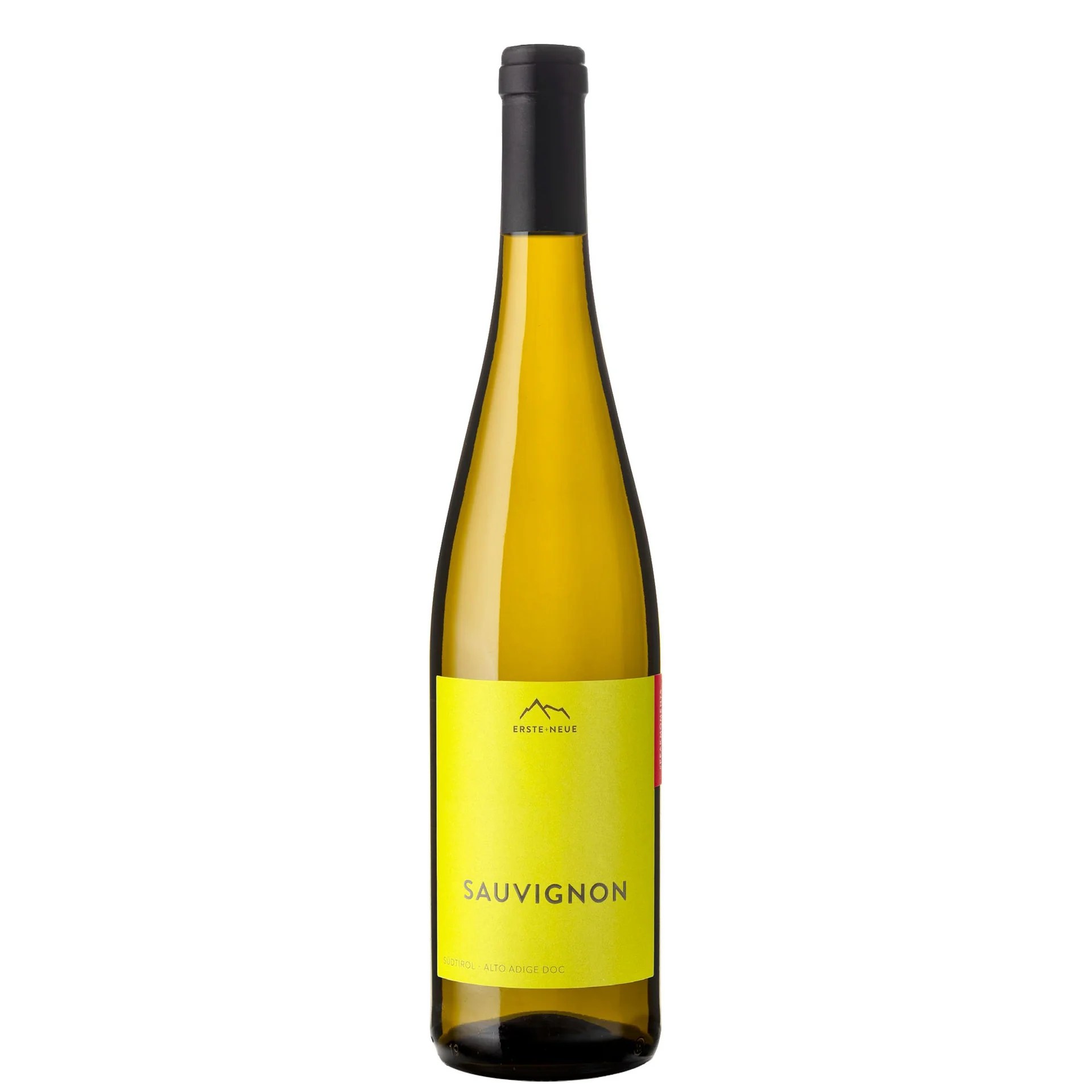
Sauvignon Blanc
It has a beautiful golden yellow colour and the nose is filled with hints of bell pepper, pineapple, tomato leaf, peppermint, sage and apricot, green apple, gooseberry and citrus fruits. On the palate, it is medium-bodied with excellent acidity and well-balanced.

 Wine Corner Mag