

Il cocktail Champs-Élysées è un classico, diffuso per la prima volta in Europa, iniziò a comparire nei libri di cocktail intorno al 1925, quando fu presentato in Drinks-Long and Short di Nina Toye & A. H. Adair. Nel 1930, la sua diffusione crebbe quando fu incluso nel libro The Savoy Cocktail Book di Harry Craddock. Il drink ha contribuito a far conoscere la miscelabilità dei liquori alle erbe francesi, ha inoltre contribuito allo sviluppo della categoria dei sour attraverso la sperimentazione, da parte dei barman, di precedenti iterazioni come il Sidecar e il suo antenato il Brandy Crusta. Mentre il Sidecar per dolcificare utilizza il liquore all’arancia, nello Champs-Élysées si usa la Chartreuse verde, un liquore aromatico francese a base di erbe, unita all’Angostura bitter, si ottiene un cocktail più profondo, terroso e legnoso dal profilo acidulo rispetto alle note più succose e fruttate del Sidecar. Il succo di limone fornisce l’acidità necessaria per bilanciare gli elementi dolci, ma gli aromi degli altri ingredienti creano qualcosa che può piacere a chi di solito preferisce cocktail più alcolici. Se si desidera un tocco più delicato si può optare per la Chartreuse gialla al posto della verde, più delicata, che risulterà meno profumata nella miscela finale e ha una gradazione alcolica leggermente inferiore.
Ingredienti per 1 cocktail
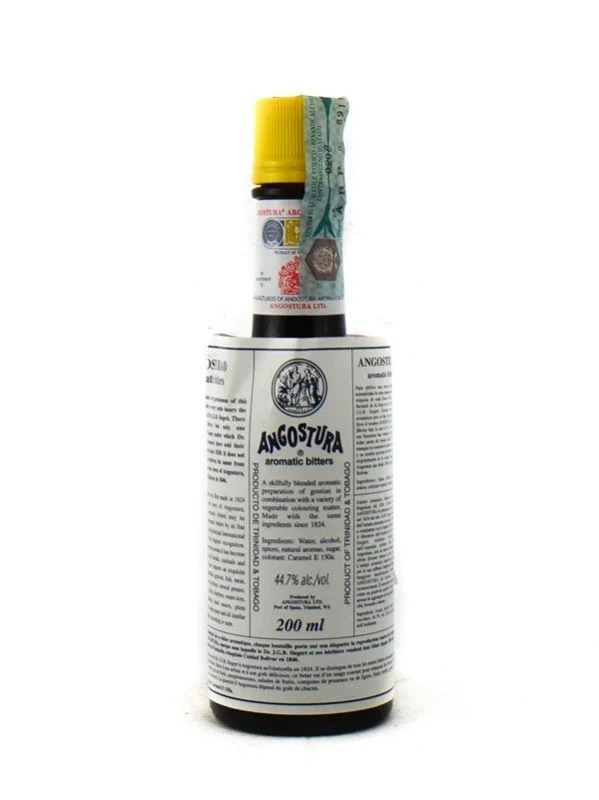
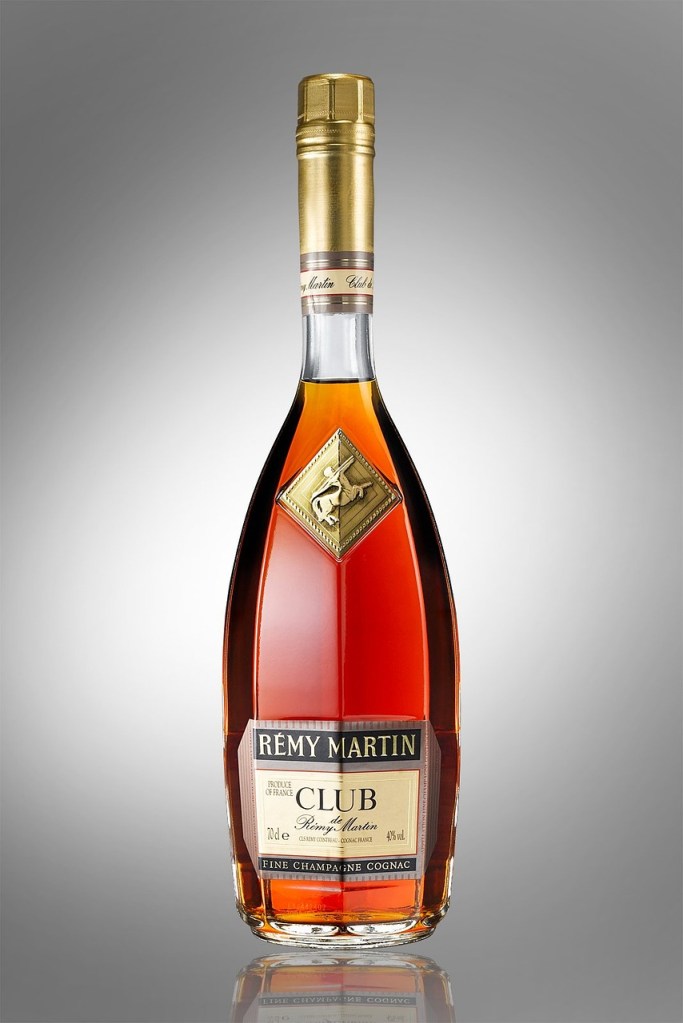
30 ml di Cognac, 10 ml di succo di limone appena spremuto, 10 ml di Chartreuse verde o gialla, 8 ml di sciroppo, 1 spruzzo di Angostura, scorze di limone per guarnire.
Unire gli ingredienti in uno shaker da cocktail pieno di ghiaccio. Agitare per 15/20 secondi fino ad ottenere un buon raffreddamento. Filtrare in un bicchiere a coppa precedentemente raffreddato. Guarnire con un twist di limone.
Con il suo mix di dolcezza, acidità e profondità alcolica, lo Champs-Élysées si presta a una serie di abbinamenti gastronomici interessanti, con antipasti come olive marinate, tapenade e bruschette al pomodoro e mozzarella o con formaggi stagionati. Ottimo anche il matrimonio con i frutti di mare, come ostriche fresche e capesante che trovano un buon equilibrio gustativo con l’acidità del drink. Per le sue caratteristiche può essere gustato con i piatti speziati come quelli della cucina tailandese o messicana, se poi si desidera concludere con un tocco dolce una cheesecake al limone o crostata ne esalteranno gli aromi!
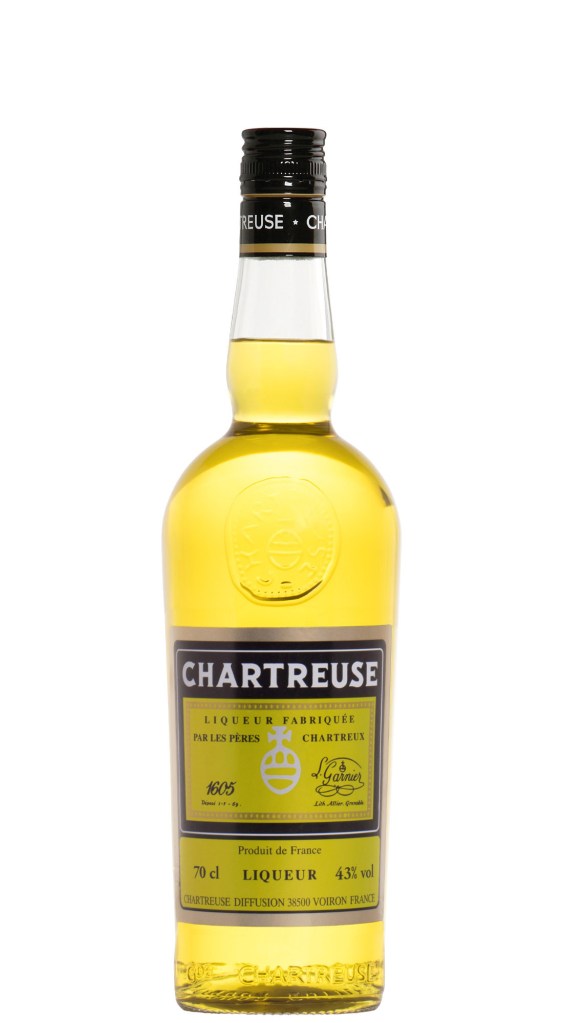
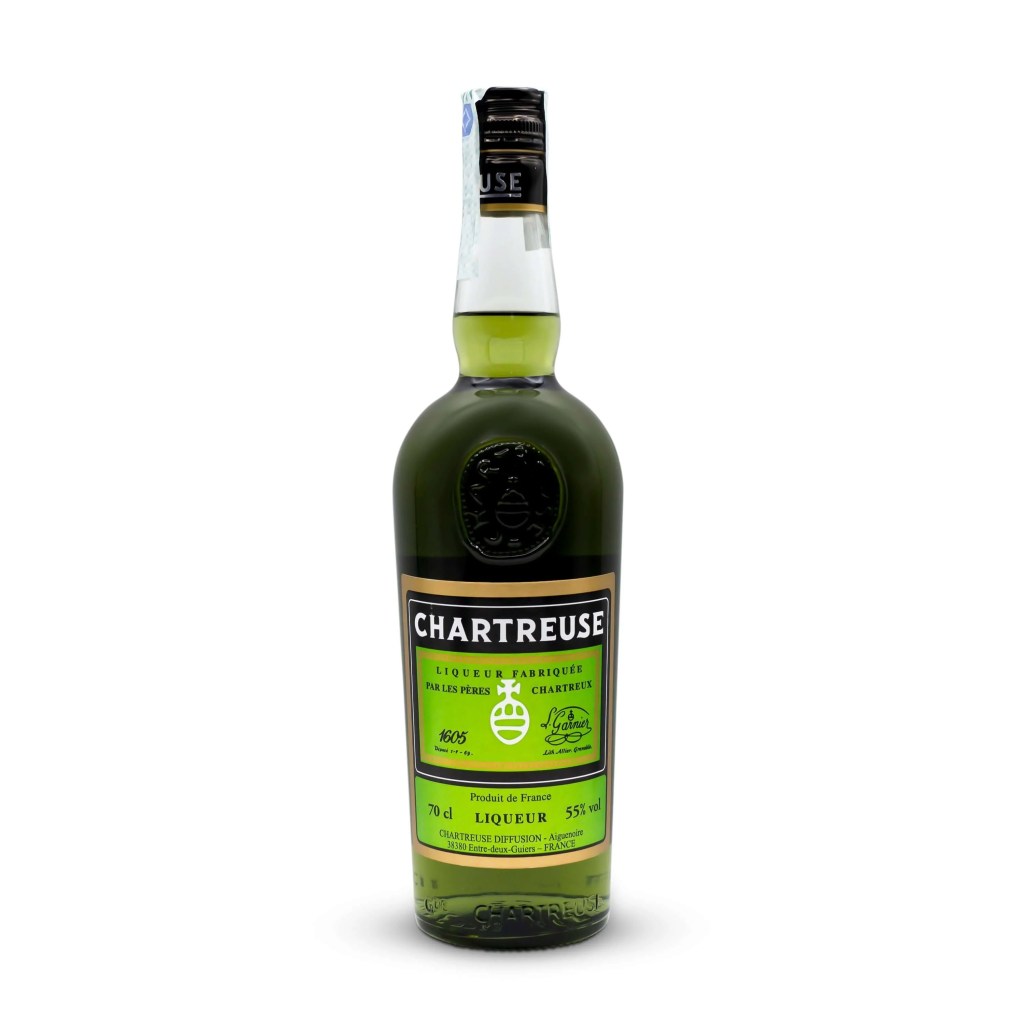
The Champs-Élysées cocktail is a classic, first popular in Europe, and began to appear in cocktail books around 1925, when it was presented in Drinks-Long and Short by Nina Toye & A. H. Adair. In 1930, its popularity grew when it was included in The Savoy Cocktail Book by Harry Craddock. The drink helped popularise the mixability of French herbal liqueurs and also contributed to the development of the sour category through bartenders’ experimentation with earlier iterations such as the Sidecar and its ancestor the Brandy Crusta. While the Sidecar uses orange liqueur for sweetening, the Champs-Élysées uses green Chartreuse, an aromatic French herbal liqueur, combined with Angostura bitter, resulting in a deeper, earthier, woody cocktail with a sour profile compared to the juicier, fruitier notes of the Sidecar. The lemon juice provides the acidity needed to balance the sweet elements, but the flavours of the other ingredients create something that may appeal to those who usually prefer more alcoholic cocktails. If a milder touch is desired, yellow Chartreuse can be used instead of the more delicate green Chartreuse, which will be less fragrant in the final mix and has a slightly lower alcohol content.
Ingredients for 1 cocktail
30 ml Cognac, 10 ml freshly squeezed lemon juice, 10 ml green or yellow Chartreuse, 8 ml syrup, 1 splash Angostura, lemon peel for garnish.
Combine ingredients in a cocktail shaker filled with ice. Shake for 15 to 20 seconds until well chilled. Strain into a previously chilled rocks glass. Garnish with a lemon twist.
With its mix of sweetness, acidity and alcoholic depth, the Champs-Élysées lends itself to a number of interesting food pairings, with starters such as marinated olives, tapenade and tomato and mozzarella bruschetta or with mature cheeses. It also makes an excellent marriage with seafood, such as fresh oysters and scallops, which find a good taste balance with the drink’s acidity. Because of its characteristics, it can be enjoyed with spicy dishes such as those of Thai or Mexican cuisine. If you want to finish with a sweet touch, a lemon cheesecake or tart will enhance the flavours!
The Champs-Élysées cocktail is a classic, first popular in Europe, and began to appear in cocktail books around 1925, when it was presented in Drinks-Long and Short by Nina Toye & A. H. Adair. In 1930, its popularity grew when it was included in The Savoy Cocktail Book by Harry Craddock. The drink helped popularise the mixability of French herbal liqueurs and also contributed to the development of the sour category through bartenders’ experimentation with earlier iterations such as the Sidecar and its ancestor the Brandy Crusta. While the Sidecar uses orange liqueur for sweetening, the Champs-Élysées uses green Chartreuse, an aromatic French herbal liqueur, combined with Angostura bitter, resulting in a deeper, earthier, woody cocktail with a sour profile compared to the juicier, fruitier notes of the Sidecar. The lemon juice provides the acidity needed to balance the sweet elements, but the flavours of the other ingredients create something that may appeal to those who usually prefer more alcoholic cocktails. If a milder touch is desired, yellow Chartreuse can be used instead of the more delicate green Chartreuse, which will be less fragrant in the final mix and has a slightly lower alcohol content.


 Wine Corner Mag