
Con l’arrivo della fine di agosto la luce mattutina è più pallida e le serate si rinfrescano, atmosfera magica per organizzare un aperitivo di fine estate. Delicatezza, eleganza e corposità, cosi definirei in tre parole il Pinot Nero, protagonista principale di queste serate! Considerato uno dei più nobili vini a livello mondiale, fa parte dei vitigni internazionali di origine francese, Borgogna, coltivato in tutto il mondo. E’ l’aroma “fruttato” per eccellenza: lampone, ciliegia, more, fragoline di bosco e ribes si sprigionano nel bicchiere, leggermente tannico, ma armonico e persistente. I vini più giovani possono regalare sfumature floreali di rosa e violette, mentre quelli più invecchiati raccontano note raffinate di cuoio, tabacco e spezie. Le versioni più nobili hanno sentori di lavanda, zenzero, pepe rosa, gelsomino e menta. Non mancano mai le erbe aromatiche, profumi di oliva e finocchio, ma soprattutto le note terrose, quindi foglie, caffè e tartufo. Il Pinot è un vino che adora i sapori del bosco, per cui abbiniamolo a piatti con mirtilli, ginepro, funghi, topinambur, porcini e tartufo. Ottimo per accompagnare i risotti, come un risotto alle spezie rosse, ma per renderlo adatto e perfetto ad un menù estivo ma fresco per un aperitivo, l’accompagnamento ideale è con un plateau di formaggi.
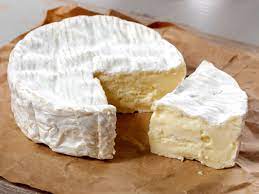
Il Camembert, formaggio francese originario della Normandia la cui origine è datata 1680 grazie documenti ritrovati con riferimenti ai formaggi caratteristici del comune di Camembert il villaggio d’origine e da cui prende il nome il formaggio.
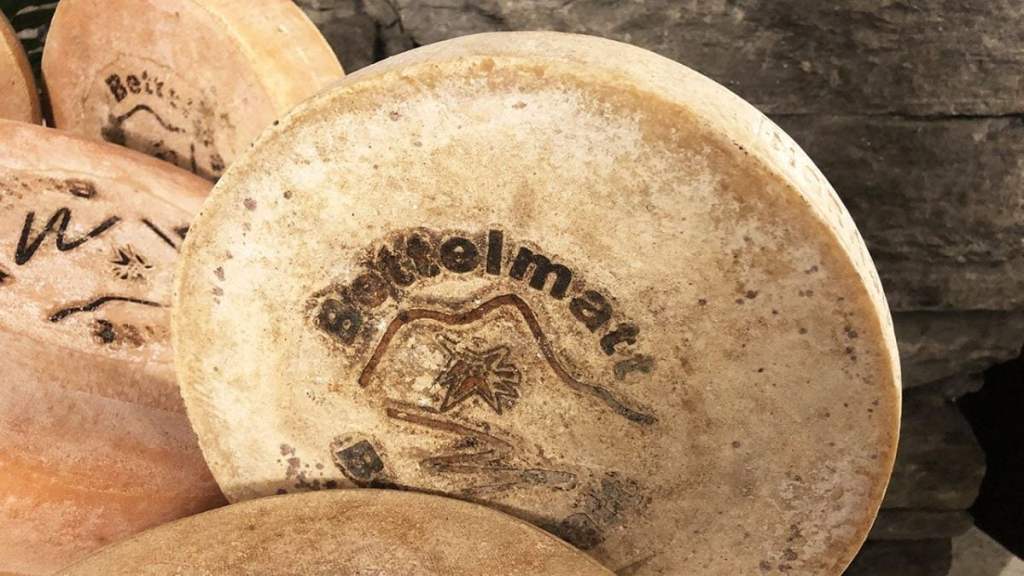
Il Bettelmatt, con il nome bettelmatt si identifica fin dal XIII secolo un formaggio di eccellenza che veniva utilizzato come merce di scambio, prodotto esclusivamente in alcuni alpeggi estivi siti nell’Ossola superiore.
Il Reblochon, è un formaggio francese a pasta pressata da latte crudo di vacca. Viene prodotto in Alta Savoia e, dal 1964, anche sul versante alpino italiano. Il nome deriva dal francese re-blache, seconda mungitura. L’asprezza del clima dove viene prodotto ha imposto delle razze di vacche resistenti, le vacche Lucherine, di Montbéliard e Abondance. Arricchito dalla grande varietà della flora alpina, il loro latte molto cremoso conferisce al Reblochon un sapore vellutato e fruttato.
Il Cantal, si narra che questo prodotto esista da 2000 anni, Plinio il Vecchio parlava già del formaggio della regione, si dice anche che sia ribelle per natura, formaggio rustico, come la zona nella quale viene prodotto, i monti dell’Alvernia scolpiti dai venti e dall’erosione, zona essenzialmente montagnosa, incorniciata da un ottantina di vulcani, lontana ed isolata dalle grandi vie di comunicazione. Questa particolare condizione è stata la causa prima per la creazione dei formaggi di durevole conservabilità, utilizzati soprattutto come riserva alimentare utilmente fruibile per i momenti più freddi dell’anno, quando l’isolamento si faceva ancor più evidente.
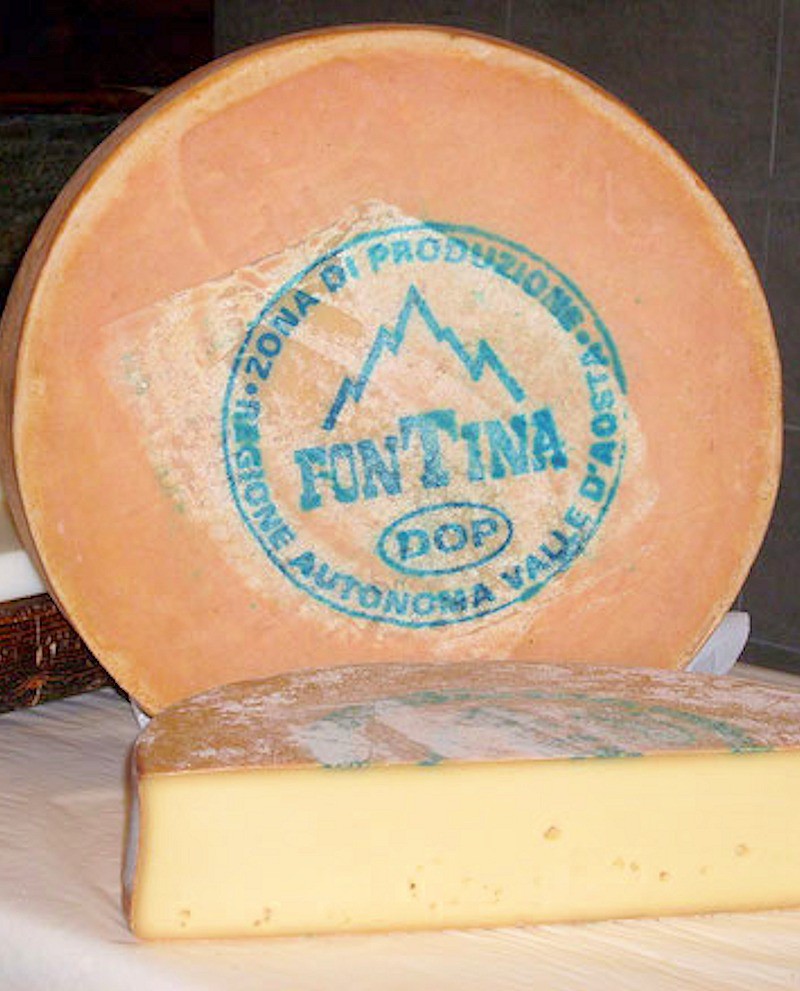
La Fontina, i primi cenni alla Fontina risalgono al 1270 quando in un documento si cita un alpeggio valdostano chiamato “Fontin”, alcune altre teorie invece associano il nome all’antico termine francese “fondis”, che sta a indicare la capacità di questo formaggio di sciogliersi se esposto al calore. Prodotto in Valle d’Aosta è un formaggio semiduro, grasso, a pasta semicotta, ad acidità naturale di fermentazione, fabbricato con latte intero di vacca proveniente da una sola mungitura. Il mondo dei formaggi è affascinante ed estremamente vasto, ampio spazio alla fantasia e ai differenti gusti per comporre un plateau personalizzato!

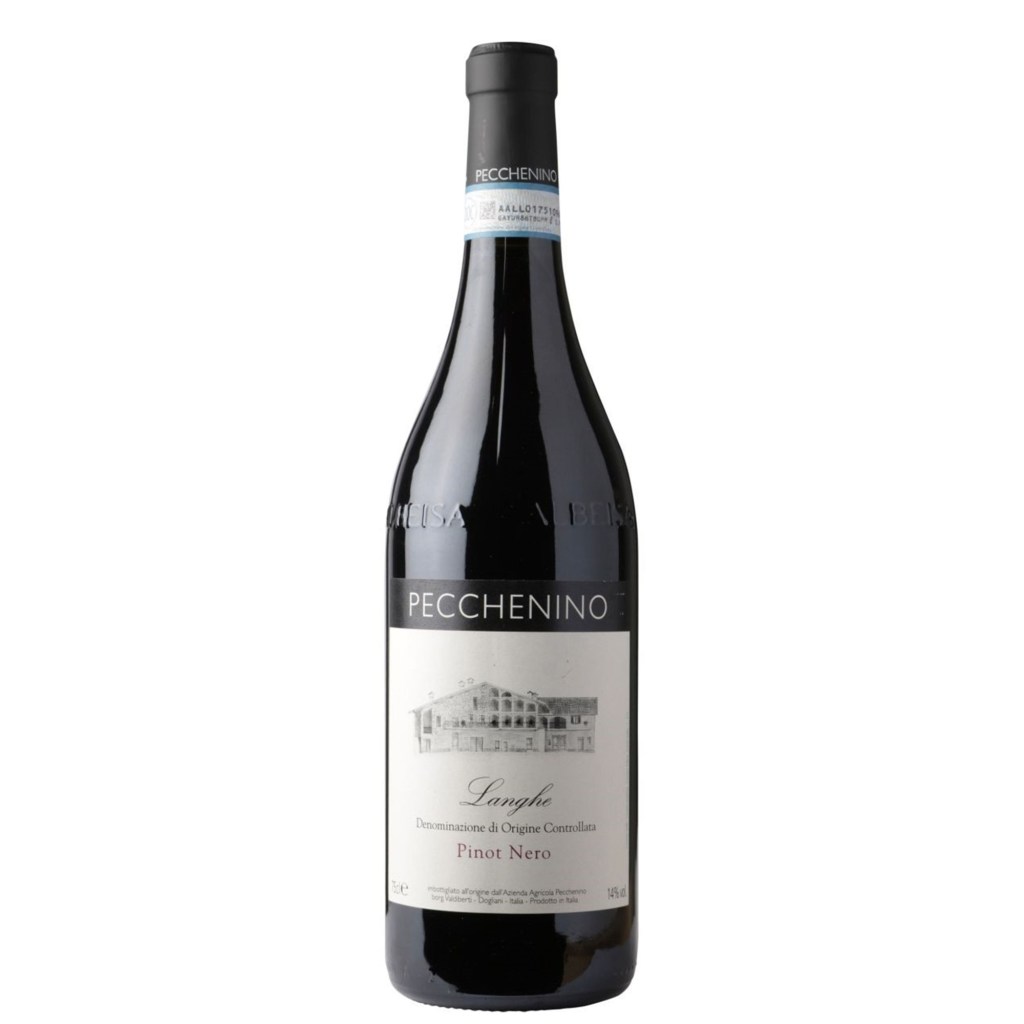
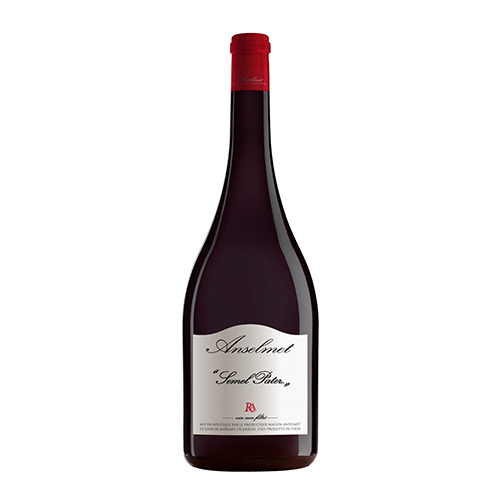

With the arrival of the end of August, the morning light is paler and the evenings cooler, a magical atmosphere for an end-of-summer aperitif. Delicacy, elegance and full-bodiedness, what’s how I would define in three words Pinot Noir, the main protagonist of these evenings! Considered one of the noblest wines in the world, it is part of the international grape varieties of French origin, Burgundy, cultivated throughout the world. It is the ‘fruity’ aroma par excellence: raspberry, cherry, blackberry, wild strawberry and currant are released in the glass, slightly tannic, but harmonious and persistent. The younger wines can offer floral nuances of roses and violets, while the older ones tell of refined notes of leather, tobacco and spices. The nobler versions have hints of lavender, ginger, pink pepper, jasmine and mint. There is never a shortage of herbs, scents of olive and fennel, but above all earthy notes, hence leaves, coffee and truffle. Pinot is a wine that adores the flavors of the forest, so pair it with dishes with blueberries, juniper, mushrooms, Jerusalem artichokes, porcini mushrooms and truffles. It is excellent with risotto, such as a red spice risotto, but to make it suitable and perfect for a summer menu but fresh for an aperitif, the ideal accompaniment is with a cheese plateau.
Camembert, a French cheese originating in Normandy whose origin dates back to 1680 thanks to documents found with references to cheeses characteristic of Camembert the village of origin and from which the cheese takes its name.
Bettelmatt, the name Bettelmatt has been used since the 13th century to identify a cheese of excellence that was used as a bargaining chip, produced exclusively in certain summer pastures located in the Upper Ossola.
Reblochon, is a French pressed cheese made from raw cow’s milk. It is produced in Haute Savoie and, since 1964, also on the Italian side of the Alps. The name derives from the French re-blache, second milking. The harshness of the climate where it is produced has imposed resistant cow breeds, the Lucherine, Montbéliard and Abondance cows. Enriched by the great variety of Alpine flora, their very creamy milk gives Reblochon a velvety, fruity flavor.
Cantal, this product is said to have existed for 2000 years, Pliny the Elder already spoke of the cheese in the region, it is also said to be rebellious by nature, a rustic cheese, like the area in which it is produced, the Auvergne mountains sculpted by winds and erosion, an essentially mountainous area, framed by some eighty volcanoes, far away and isolated from major communication routes. This particular condition was the prime cause for the creation of cheeses with a long shelf life, used above all as a food reserve that could be used for the coldest times of the year, when isolation became even more evident.
The first references to Fontina date back to 1270 when a document mentions a mountain pasture in Valle d’Aosta called “Fontin”, some other theories instead associate the name with the ancient French term “fondis”, which indicates the ability of this cheese to melt when exposed to heat. Produced in Valle d’Aosta, it is a semi-hard, fat, semi-cooked cheese with natural acidity from fermentation, made from whole cow’s milk from a single milking. The world of cheeses is fascinating and extremely vast, with plenty of room for imagination and different tastes to compose a customized plateau!


 Wine Corner Mag